Peeling Paint from Moisture
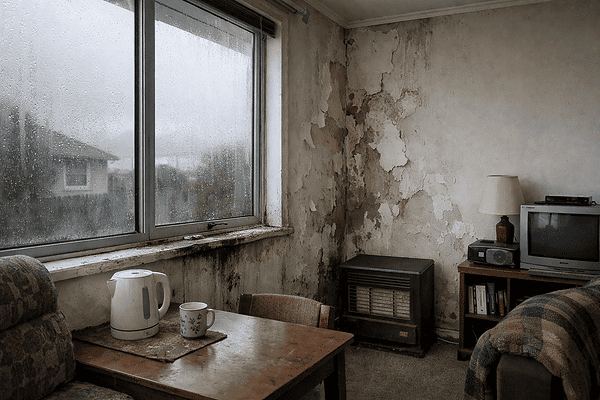
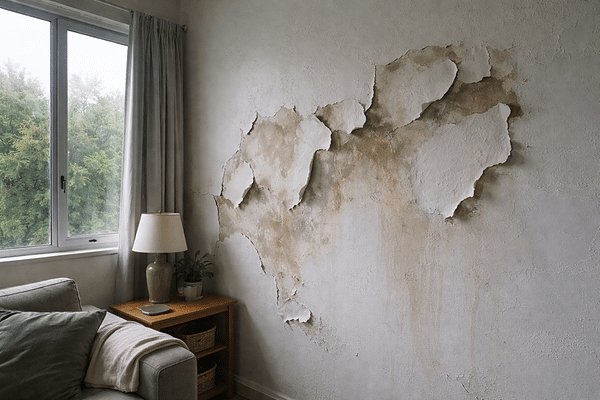
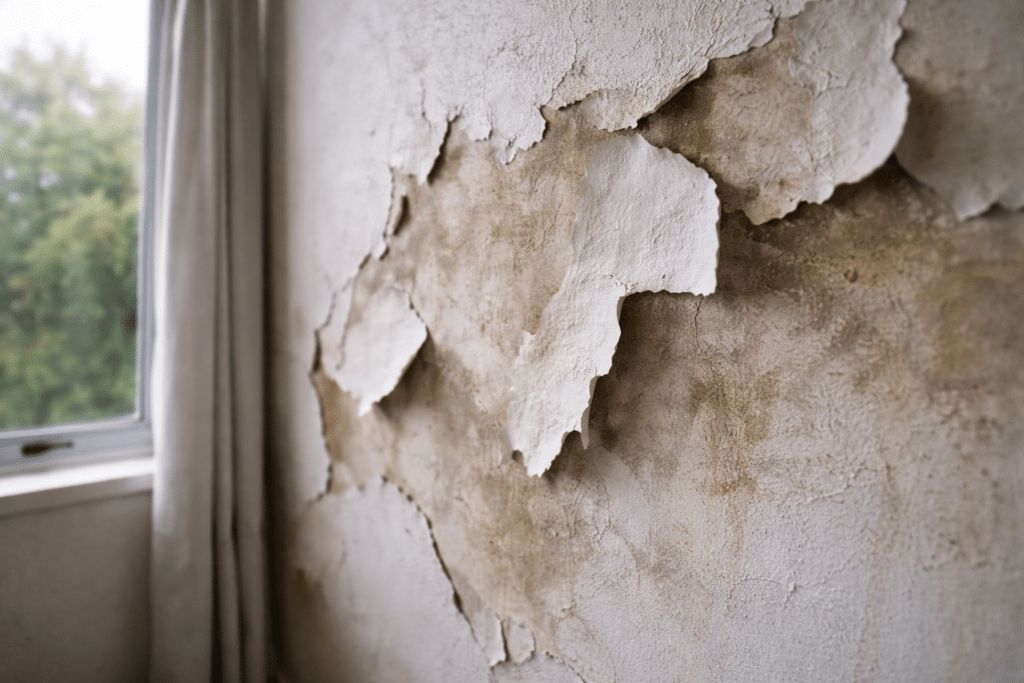
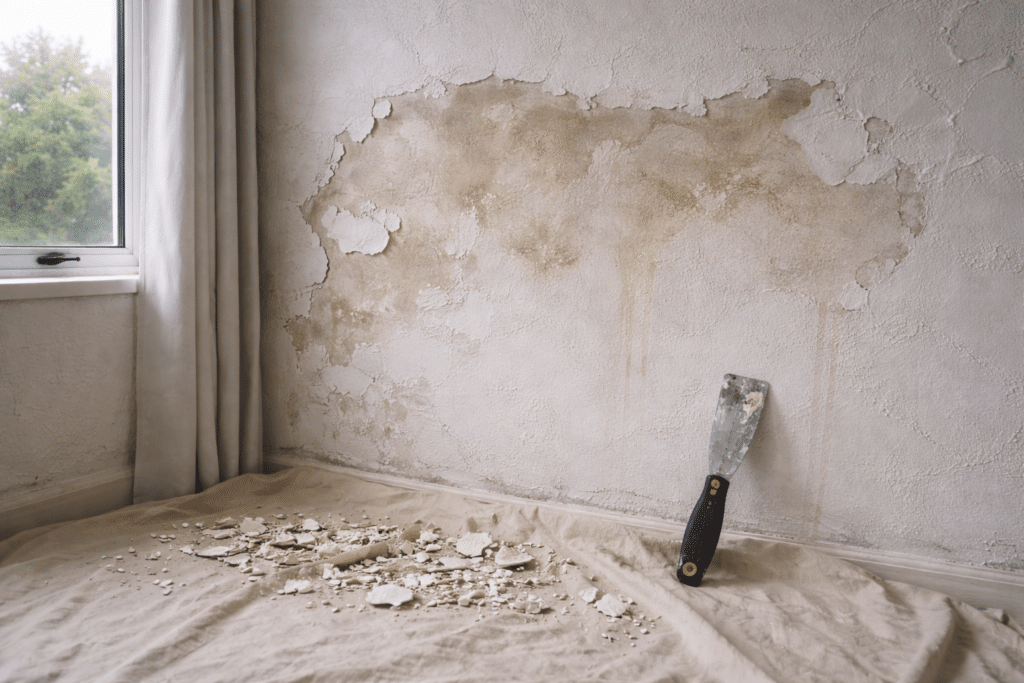
Peeling paint on an interior wall is one of the most obvious visual signs that moisture is active in the home.
It catches your eye in a way that fogged windows or a faint musty smell might not, and by the time paint is lifting and curling, the moisture underneath has usually been there for a while.
Having worked in ventilation and moisture control across NZ homes for over a decade, I treat peeling paint as a diagnostic clue rather than just a cosmetic problem.
Where it appears, how it looks, and when it gets worse all point back to a specific moisture source, and that source determines the fix.
Quick Summary
- Peeling interior paint is almost always caused by moisture sitting behind or beneath the paint film
- Condensation is the most common cause in NZ homes, especially on exterior-facing walls in winter
- Paint peels because moisture breaks the bond between the paint layer and the surface underneath
- Repainting over moisture-damaged surfaces without fixing the source means the paint will fail again
- The location and pattern of peeling paint helps identify whether the cause is condensation, a leak, or rising damp
- Improving ventilation and reducing indoor humidity are the most effective ways to prevent paint failure from moisture
- Older homes with uninsulated exterior walls are the most prone to condensation-driven paint damage
Why Moisture Makes Paint Peel
Paint adheres to a surface through a bond between the paint film and the material underneath, whether that is plaster, timber, or a previous coat of paint.
When moisture gets between those layers, it weakens the bond. Over time, the paint loses adhesion, starts to bubble, and eventually lifts away from the surface.
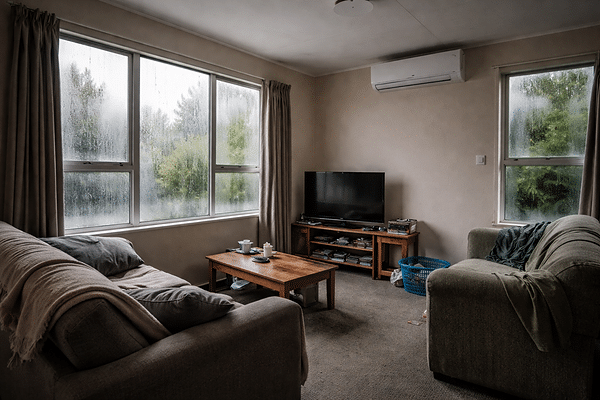
In some cases the moisture comes from behind the wall, pushing outward through the plaster. In other cases, and this is far more common in NZ homes, condensation forms on the surface of the wall and soaks through the paint film from the front. Either way, once moisture is sitting in contact with the paint for extended periods, failure is just a matter of time.
The reason this tends to be worse on exterior-facing walls is simple. Those walls are colder, which means they attract more condensation from the humid indoor air. The colder the wall surface, the more moisture condenses on it, and the more moisture sits behind the paint, the faster the paint deteriorates.
This is a direct consequence of the broader pattern of condensation in NZ homes, where cold surfaces and high indoor humidity combine.
Reading the Pattern: What Peeling Paint Tells You
The location and behaviour of peeling paint gives you a lot of information about the moisture source. Before reaching for the paintbrush, it is worth reading the pattern to make sure you are addressing the right problem.
Peeling on Exterior-Facing Walls
This is the most common pattern in NZ homes. Paint peels on walls that face outside, particularly in corners, behind furniture, and along the lower edges near the floor.
It is worst in winter and improves slightly in summer. This pattern almost always points to condensation. The wall surface is cold, humid indoor air deposits moisture on it, and the paint breaks down over time.
Older homes with uninsulated walls are especially prone because the interior wall surface sits close to the outside temperature on cold nights, creating a large condensation target.
Peeling Around Windows
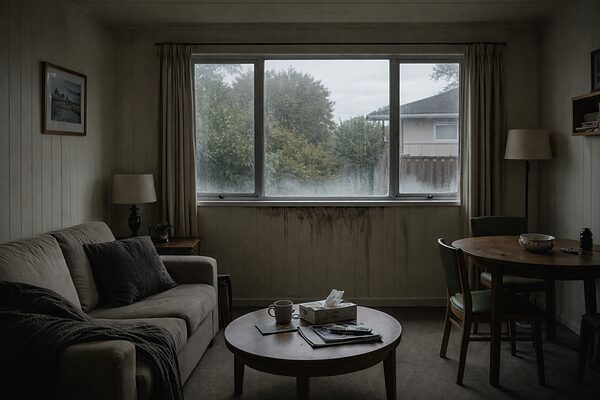
Paint failure around window frames usually comes from condensation pooling on the glass and sill and then wicking into the surrounding wall surface. The timber or plaster immediately around the window stays damp for hours each day, and the paint in those areas breaks down faster than the rest of the wall. Homes with heavy window condensation tend to show paint damage around the frame edges first.
Peeling on Lower Walls Only
If peeling is concentrated in the lower portion of a wall, up to about a metre from the floor, and remains constant throughout the year, rising damp is a possibility. This is ground moisture being drawn up through the foundations by capillary action, and it behaves differently from condensation. A lot of people confuse condensation with actual dampness or leaks, but the fix for each is completely different.
Peeling in One Specific Spot
A localised patch of peeling paint, especially on a ceiling or near a roofline, that worsens after rain is likely caused by a leak. Water is getting in from outside and soaking into the plaster from behind. Unlike condensation, which tends to be widespread and seasonal, a leak creates a concentrated area of damage that correlates with weather events.
Quick Diagnostic Table
This table covers the most common peeling paint patterns and what they typically indicate.
| Pattern | Most Likely Cause | Key Clue |
|---|---|---|
| Peeling on exterior-facing walls, worse in winter | Condensation | Seasonal, widespread, follows cold surfaces |
| Peeling around window frames and sills | Condensation pooling from windows | Concentrated near glass, wicking outward |
| Peeling on lower walls only, year-round | Rising damp | Constant regardless of season, often with salt staining |
| Peeling after recent repaint over a damp surface | Leak | Worsens after rain, localised |
| Condensation pooling from the windows | Trapped moisture | Paint applied before surface was fully dry |
Why Repainting Alone Does Not Work
This is the mistake I see most often. Someone notices the peeling paint, scrapes it back, and repaints. The wall looks great for a few weeks, maybe a couple of months, and then the same peeling starts again in the same spot.
The reason is straightforward. The new paint is sitting on a surface that is still being exposed to the same moisture. If the wall is still cold, indoor humidity is still high, and there is still no airflow to carry moisture away from that surface, the conditions for paint failure remain the same. The fresh paint just delays the visible damage slightly.
I have seen homes where the same wall has been repainted three or four times in as many years, each time with the same result. The cumulative cost of repeated repainting often exceeds the cost of addressing the moisture issue properly in the first place.
How to Fix the Problem Long-Term
The lasting fix for moisture-driven paint failure is the same as the fix for condensation itself: reduce the moisture in the air, keep surfaces warmer, and get air moving.
Improve Ventilation
Getting air moving through the home is the most effective change. A whole-house ventilation system reduces indoor humidity by continuously exchanging moist stale air for drier filtered air. That means less moisture in the air, less condensation on walls, and less paint damage over time. Even simple habits like opening windows briefly each morning and running extraction fans properly help lower the moisture load.
Keep Walls Warmer
Consistent heating prevents wall surfaces from dropping to the temperature where condensation forms. A heat pump running at a steady moderate temperature through the evening and overnight is far more effective than short heating bursts. In rooms where paint peels on exterior walls, pulling furniture away from the wall allows warm air to reach the surface and reduces the hidden cold zone where moisture accumulates.
Reduce Moisture at the Source
Bathrooms, kitchens, and indoor clothes drying are the biggest contributors to indoor humidity. Using extraction fans, cooking with lids, and drying clothes outside all reduce the total moisture available to condense on cold wall surfaces.
Repaint Only After Fixing the Moisture
Once the moisture issue is addressed and the wall has been dry for a reasonable period, a fresh coat of paint will hold properly. Scrape back any loose material, ensure the surface is clean and dry, and use a high-quality primer before topcoating. The paint will last as long as the moisture conditions stay under control.
Frequently Asked Questions
Is peeling paint always caused by moisture?
On interior walls, moisture is the most common cause by far. Other factors like poor surface preparation, incompatible paint types, or age can contribute, but in NZ homes the overwhelming driver of indoor paint failure is moisture from condensation or other water sources.
Will moisture-resistant paint prevent peeling?
Moisture-resistant paint is more durable in damp environments, which can help in mild cases. It will not prevent paint failure if the wall is persistently wet, because the moisture still weakens the bond between the paint and the substrate over time.
How can I tell if the peeling is from condensation or a leak?
Condensation-driven peeling tends to be widespread, worse in winter, and concentrated on exterior-facing walls. A leak causes localised damage in one specific area that worsens after rain. If the peeling follows a seasonal pattern and appears on cold surfaces, condensation is the most likely cause.
Should I tell my landlord about peeling paint in a rental?
Yes. Peeling paint from moisture indicates an ongoing dampness issue that can worsen over time and potentially damage the building structure. Documenting the location, severity, and timing with photos helps both parties understand the problem and take appropriate steps.