Flow-on Effects of Condensation at Home
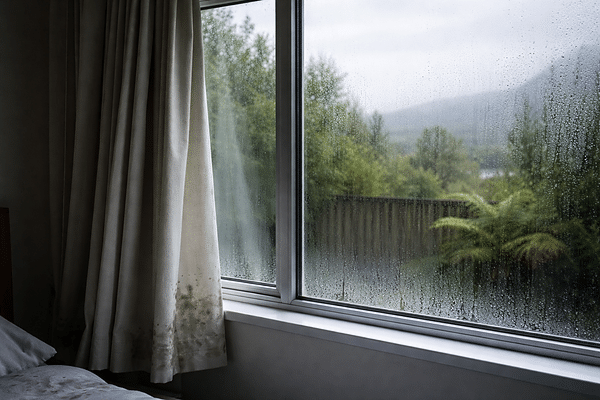
Most people think of condensation as fogged-up windows and maybe a bit of mould in the corner. But after more than a decade working across ventilation and building performance in NZ homes, I can tell you that the real cost of condensation is everything that happens after the moisture settles.
Condensation is not just a visual nuisance. It sets off a chain of consequences that affect your home’s structure, your belongings, your energy costs, and even the comfort of daily living. Most of these effects build slowly, which is why they often go unnoticed until the damage is significant.
Quick Summary
- Condensation damages timber window frames, sills, and structural timber over time by keeping them persistently damp
- High indoor humidity creates ideal conditions for dust mites, which thrive above 60% relative humidity
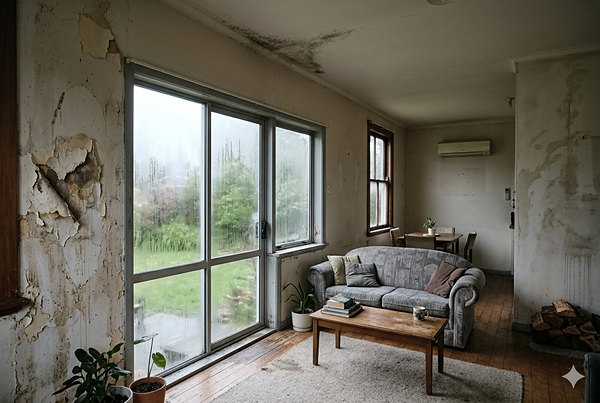
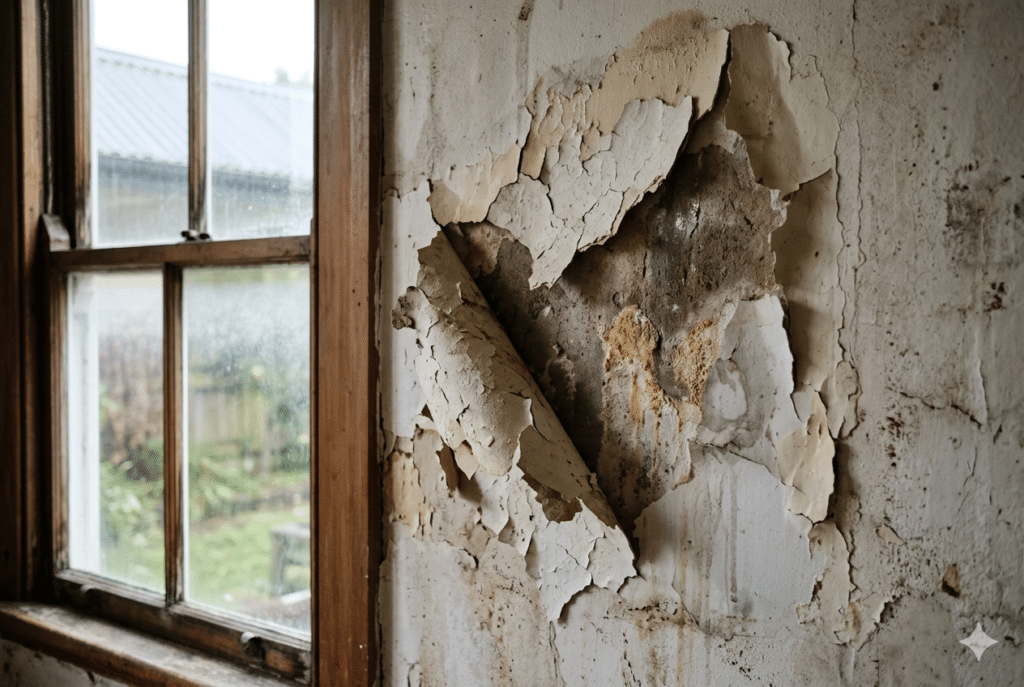
- Persistent moisture causes paint to peel, wallpaper to lift, and plaster to soften and crumble
- Damp homes require more energy to heat because moisture in the air absorbs heat energy
- Soft furnishings, clothing, and leather goods stored in damp rooms can develop mould and deteriorate
- Musty smells that build up in damp homes become embedded in fabrics and are difficult to remove
- The cumulative cost of condensation damage often exceeds the cost of fixing the underlying ventilation issue
Damage to Building Materials
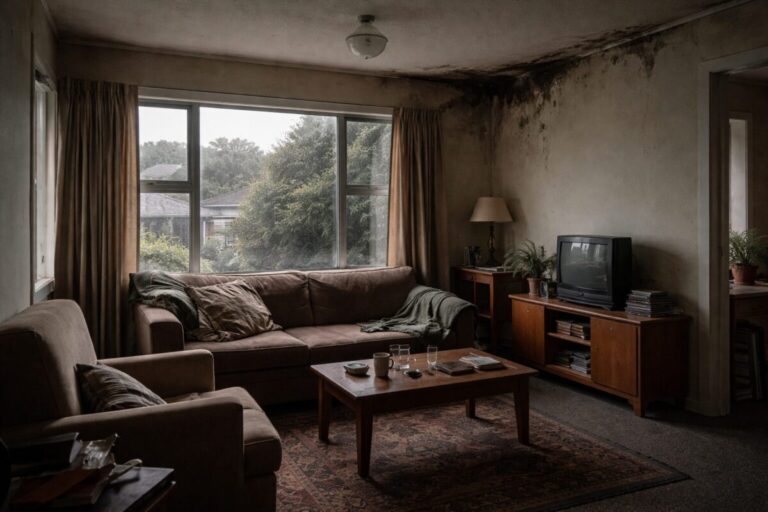
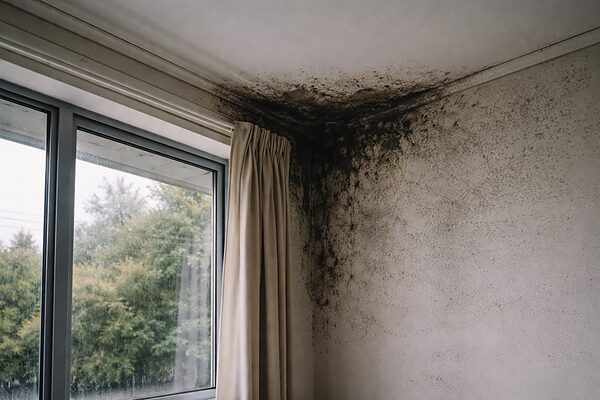
This is the most expensive flow-on effect, and it is also the one that creeps up most quietly. Condensation that forms on window sills, wall surfaces, and ceiling edges does not just evaporate and disappear. Over weeks and months, that repeated wetting soaks into the materials underneath.
Timber Damage
Timber window frames, sills, and skirting boards are particularly vulnerable. Repeated exposure to condensation softens the timber over time, and once it reaches a certain moisture content it begins to decay. I regularly see window sills in older NZ homes that have gone soft and spongy from years of condensation pooling on the glass and running down onto the timber below.
In severe cases, the framing timber behind walls and around window openings can also absorb moisture from long-term condensation. That kind of damage is hidden, expensive to repair, and entirely preventable with better moisture management.
Paint and Plaster Deterioration
Persistent moisture underneath paint causes it to lose adhesion and peel. You will often see this on exterior-facing walls where condensation has been sitting against the surface long enough for the paint film to break down.
Plaster beneath the paint can also soften, become chalky, and eventually crumble, especially in older homes where lime-based plasters were used.
Repainting over moisture-damaged surfaces without fixing the underlying issue is a common response, but the new paint will fail in the same way within months because the moisture cycle has not changed.
Dust Mites and High Humidity
This is one of the less obvious consequences of condensation, but it is significant. Dust mites thrive in humid environments, and homes with persistent condensation problems tend to have indoor humidity levels well above 60%, which is the threshold where dust mite populations increase rapidly.
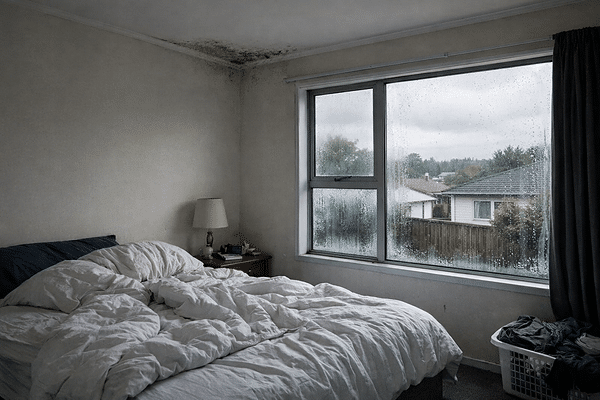
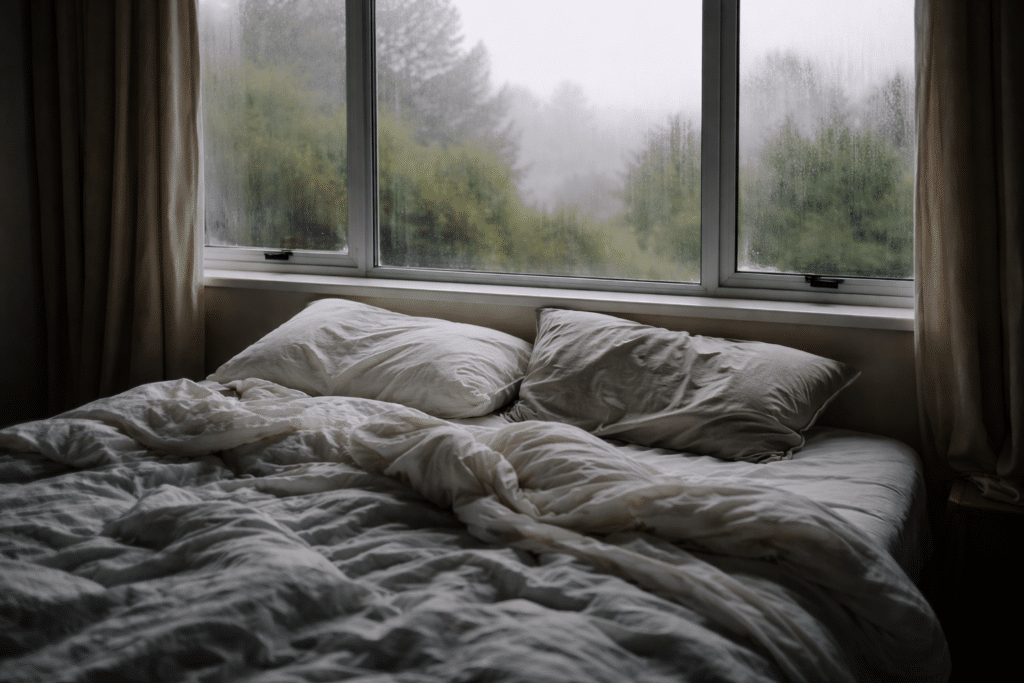
Dust mites live in mattresses, pillows, carpets, and soft furnishings. They do not need liquid water, just humid air. In a bedroom where condensation forms every night because doors are closed and moisture builds up from breathing, the bedding and carpet are sitting in exactly the conditions dust mites prefer.
Reducing indoor humidity through better ventilation does not just address condensation and mould, it also shifts conditions away from the range where dust mites thrive. It is one of those changes where fixing one problem has a positive knock-on effect across several others.
Energy Inefficiency
Damp air is harder to heat than dry air. That is a basic physics principle, but it has real-world consequences for your power bill.
When indoor humidity is high, the heating system has to work harder to raise the temperature because a portion of the energy goes into heating the moisture in the air rather than warming the room.
I see this play out in homes where people are running a heat pump for hours and the house still feels cold and clammy.
The heating is working, but the excess moisture in the air is absorbing energy and making the room feel cooler than the thermostat suggests.
It is a frustrating cycle because the instinct is to turn the heating up higher, which costs more without solving the comfort problem.
Improving ventilation through the home reduces indoor humidity, which means the heating works more efficiently and the house feels warmer at the same temperature setting. Many homeowners notice their heating runs less after ventilation is improved, simply because the air is drier and easier to warm.
Damage to Belongings
Condensation does not just affect the building itself. The high humidity environment it creates also damages personal belongings, and some of that damage is irreversible.
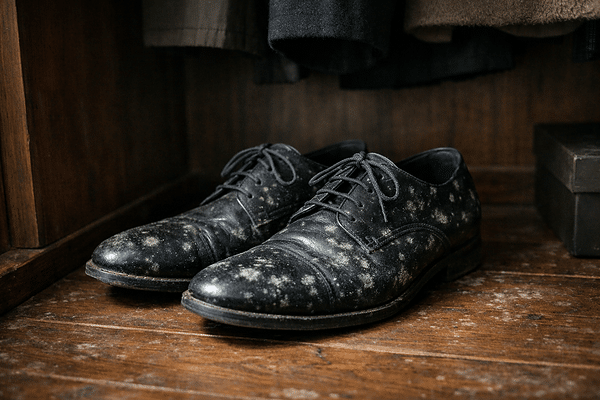
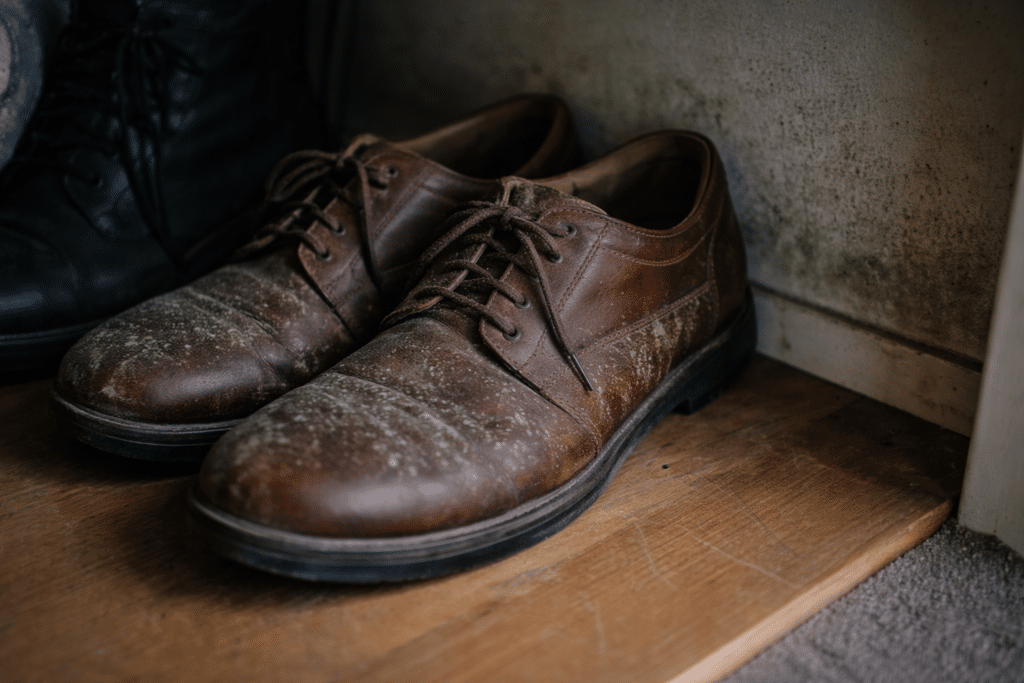
Clothing stored in damp wardrobes can develop mould, especially items pushed to the back where airflow is minimal. Leather shoes and bags are particularly vulnerable because leather absorbs moisture readily and mould establishes on the surface quickly in humid conditions.
Curtains and blinds that sit against cold, condensation-prone windows absorb moisture and develop mould that can be very difficult to remove.
| Item Affected | How Condensation Damages It | Typical Location |
|---|---|---|
| Timber window frames and sills | Repeated wetting softens and decays timber | Beneath windows where condensation pools |
| Interior paint and plaster | Moisture breaks adhesion, causes peeling and crumbling | Exterior-facing walls and ceiling edges |
| Mattresses and bedding | Absorb humidity, creating dust mite habitat | Bedrooms with high overnight humidity |
| Clothing and leather goods | Mould growth on fabric and leather surfaces | Wardrobes against exterior walls |
| Curtains and blinds | Absorb condensation moisture, develop mould | Against single-glazed windows |
Musty Smells That Embed
That stale, damp smell that builds up in homes with condensation problems is more than just unpleasant.
It gets into fabrics, carpets, curtains, and soft furnishings, and once it is embedded, it is very difficult to remove without addressing the moisture source first.
I notice it the moment I walk into a home with long-term moisture issues. The smell is distinctive, a mix of damp air, stale humidity, and the organic compounds that mould and mildew produce as they grow.
In bedrooms where musty smells persist, the odour often comes from moisture trapped in the carpet, mattress, or behind furniture rather than from visible mould on the walls.
Airing out the home and reducing humidity usually resolves the smell over time, but it takes consistent effort because the source compounds have had months or years to build up in the materials.
The Compounding Cost
What makes all of this worse is that these effects compound. Timber damage leads to more expensive repairs. Paint failure means repeated repainting costs.
Damaged belongings need replacing. Higher heating bills add up month after month. And the longer condensation persists, the more embedded the problems become.
I often point out to homeowners that the cumulative cost of doing nothing about condensation frequently exceeds the cost of addressing it properly.
A ventilation system or an improved heating routine pays for itself over time just in avoided damage, reduced heating costs, and longer-lasting belongings.
Frequently Asked Questions
Can condensation damage the structure of my home?
Yes. Long-term condensation can soften timber frames, decay window sills, and deteriorate plaster. The damage happens slowly, which is why it often goes unnoticed until repairs are needed. Structural timber that stays damp for extended periods can lose strength over time.
Why does my house feel cold even when the heating is on?
High indoor humidity can make heated air feel cooler than it actually is, because moisture in the air absorbs heat energy. Reducing humidity through better ventilation helps the heating work more efficiently and can make the same temperature setting feel noticeably warmer.
Will fixing condensation reduce dust mites?
Dust mites thrive above 60% relative humidity. Bringing indoor humidity below that level through improved ventilation and moisture control reduces the conditions they need to breed. It does not eliminate them entirely, but it significantly reduces favourable conditions.
Is condensation damage covered by house insurance?
In most cases, no. Standard home insurance policies in New Zealand typically exclude damage caused by condensation, moisture, and gradual deterioration. It is generally treated as a maintenance issue rather than a sudden event, which means the cost of repair falls on the homeowner.